Trust of People
Circular Economy & Climate Action

Trust of People

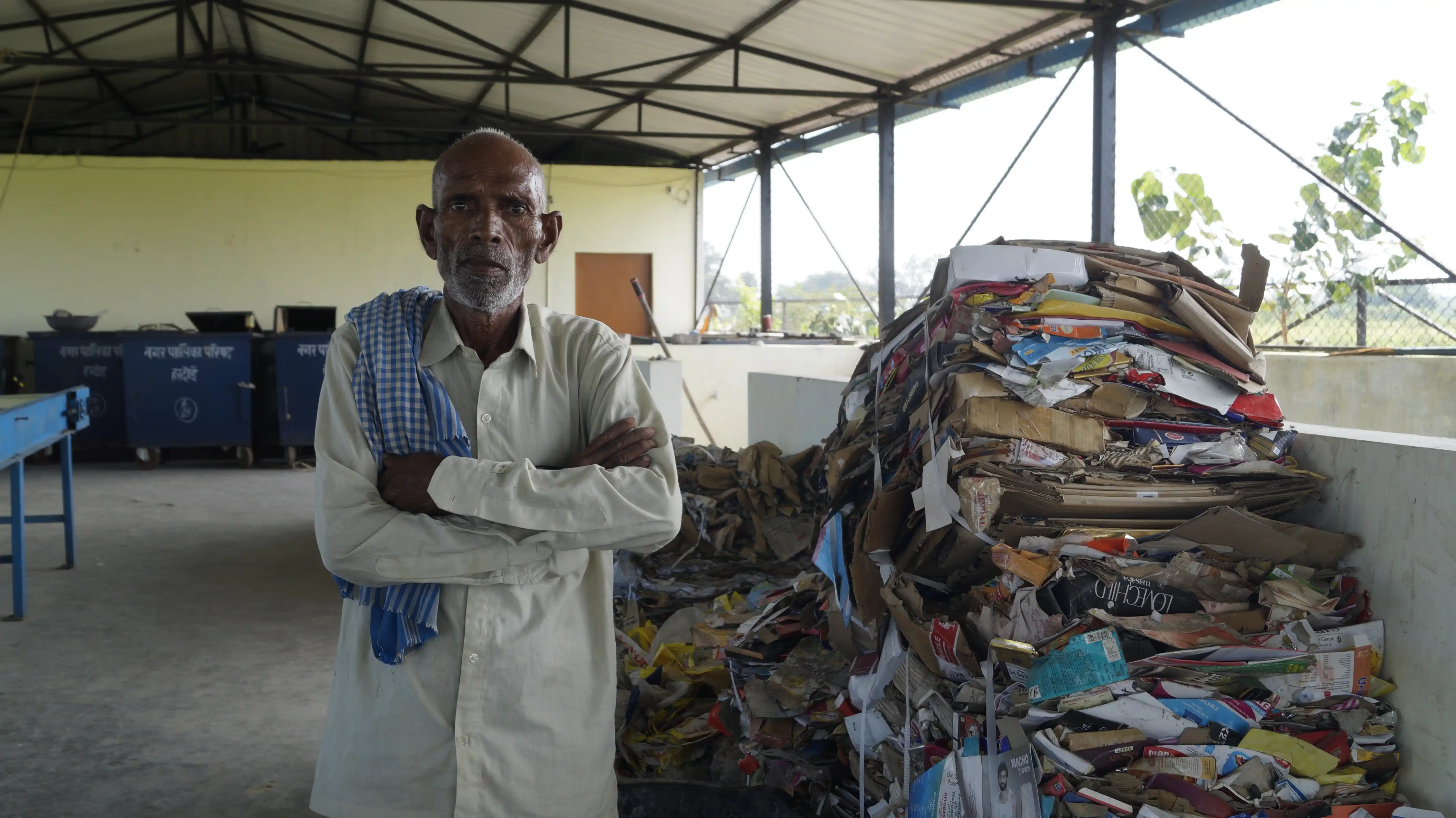
Transforming waste into valuable resources, nurturing climate-conscious and responsible communities, and building strong, resilient ecosystems through innovative, nature-based and sustainable solutions that create long-term environmental impact.
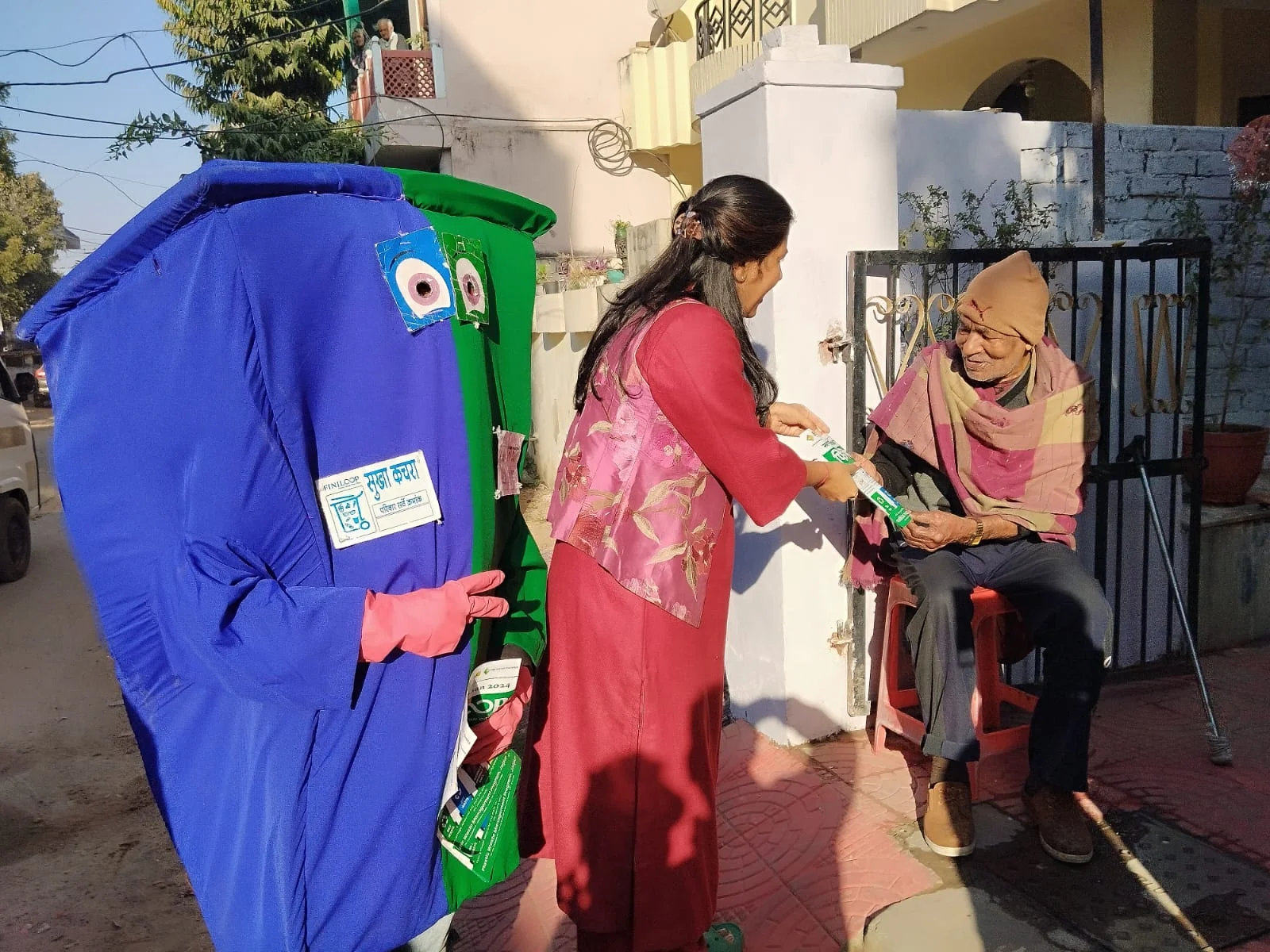
Under the FINILOOP Project, Trust of People partners with WASTE (lead) and Aspire Labs to transform cities into circular ecosystems. Reaching 211,000+ households and 21,500+ waste workers, the project strengthens waste collection, sorting, and recycling value chains in Udaipur, Amritsar, and Jaipur.
FINILOOP promotes inclusion and climate resilience by formalizing waste workers, linking them to micro-enterprises, and promoting plastic alternatives.

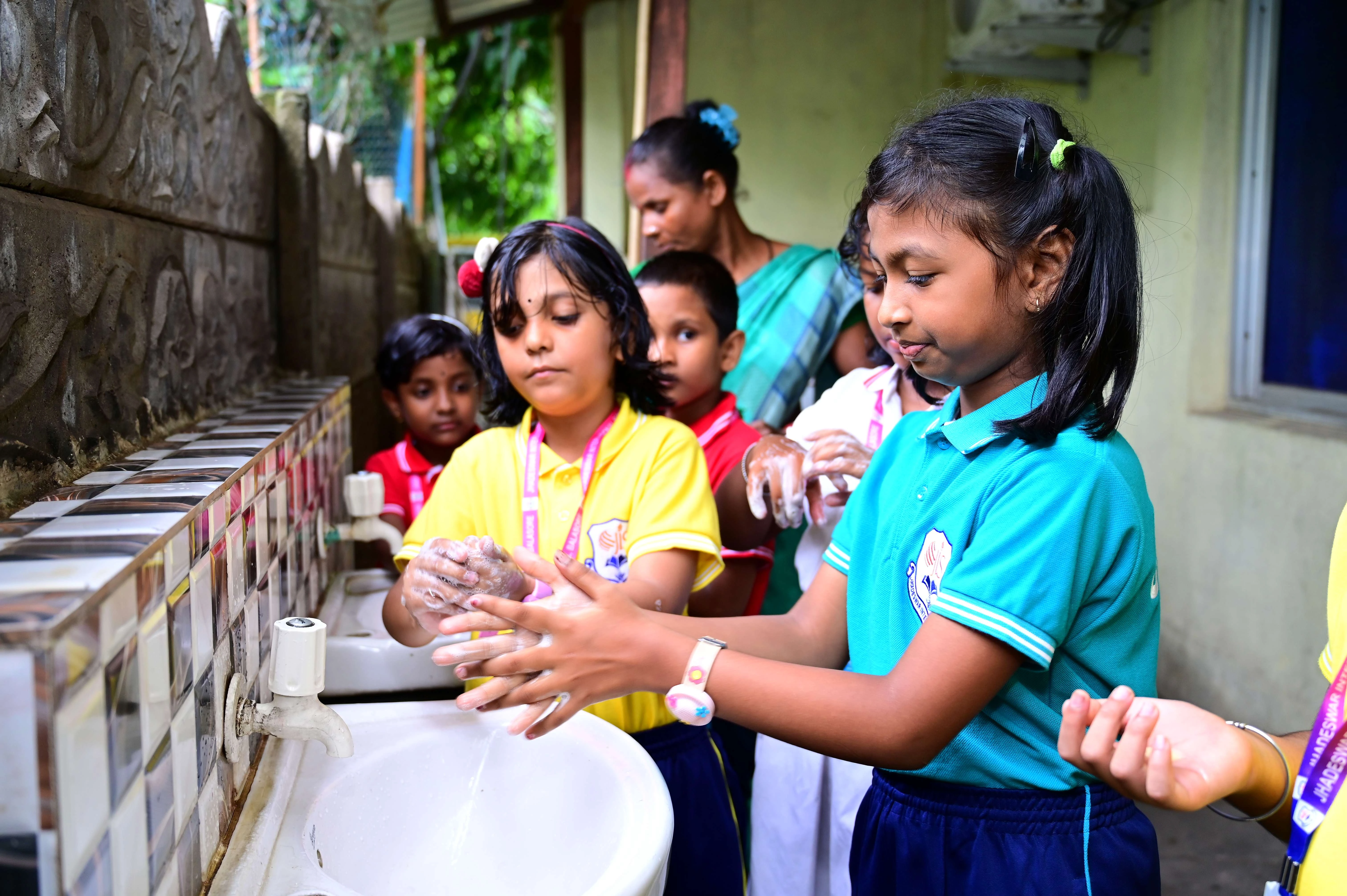
Climate awareness begins young. Through interactive storytelling, workshops, and field visits, 7,269 students across 84 schools became eco-leaders in 2024–25.
Significant increase in students adopting sustainable practices
By nurturing climate-conscious youth, Trust of People builds the next generation of sustainability ambassadors.
Transforming waste into resources through circular economy.
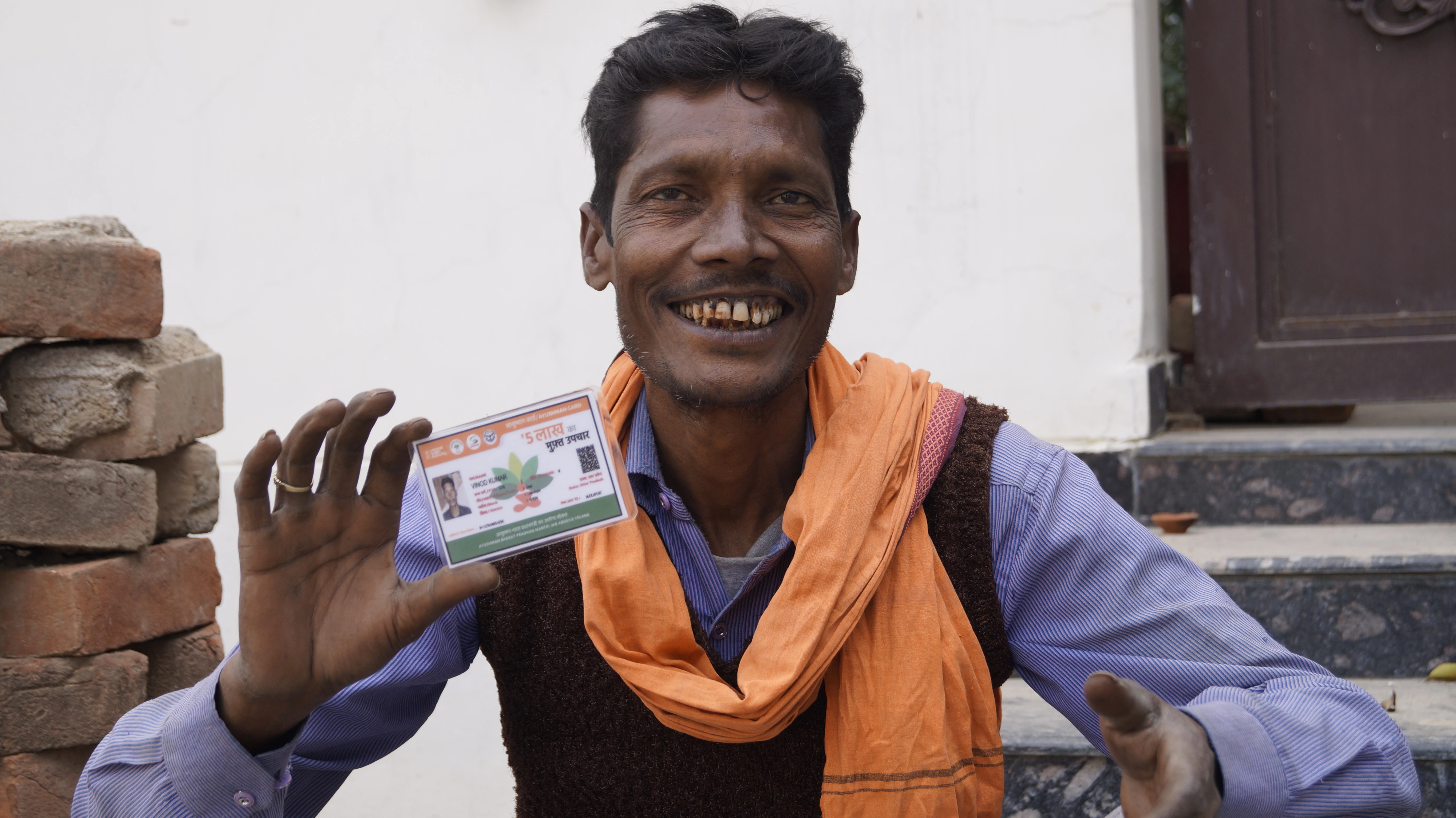
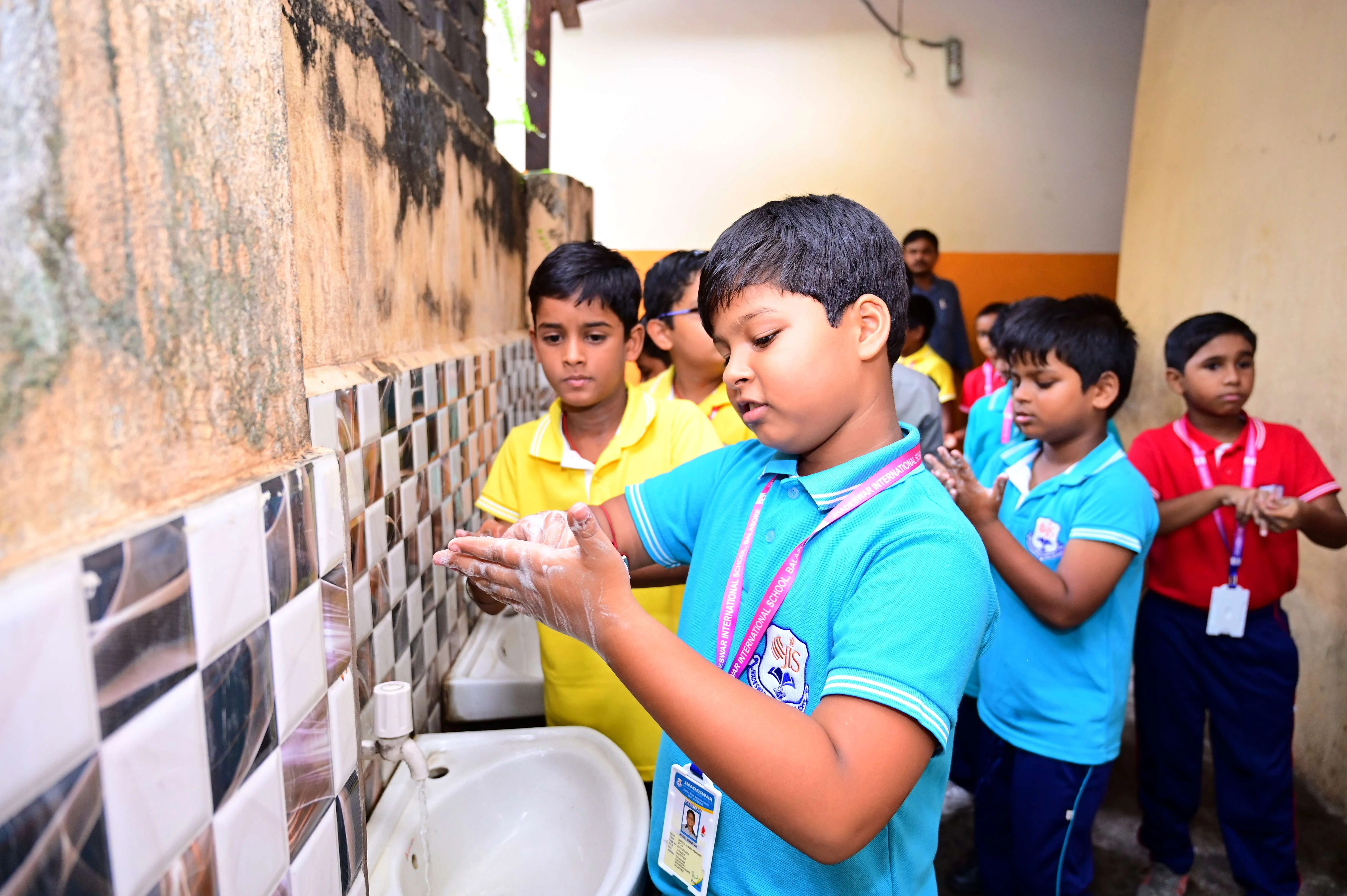

Nurturing young eco-leaders.
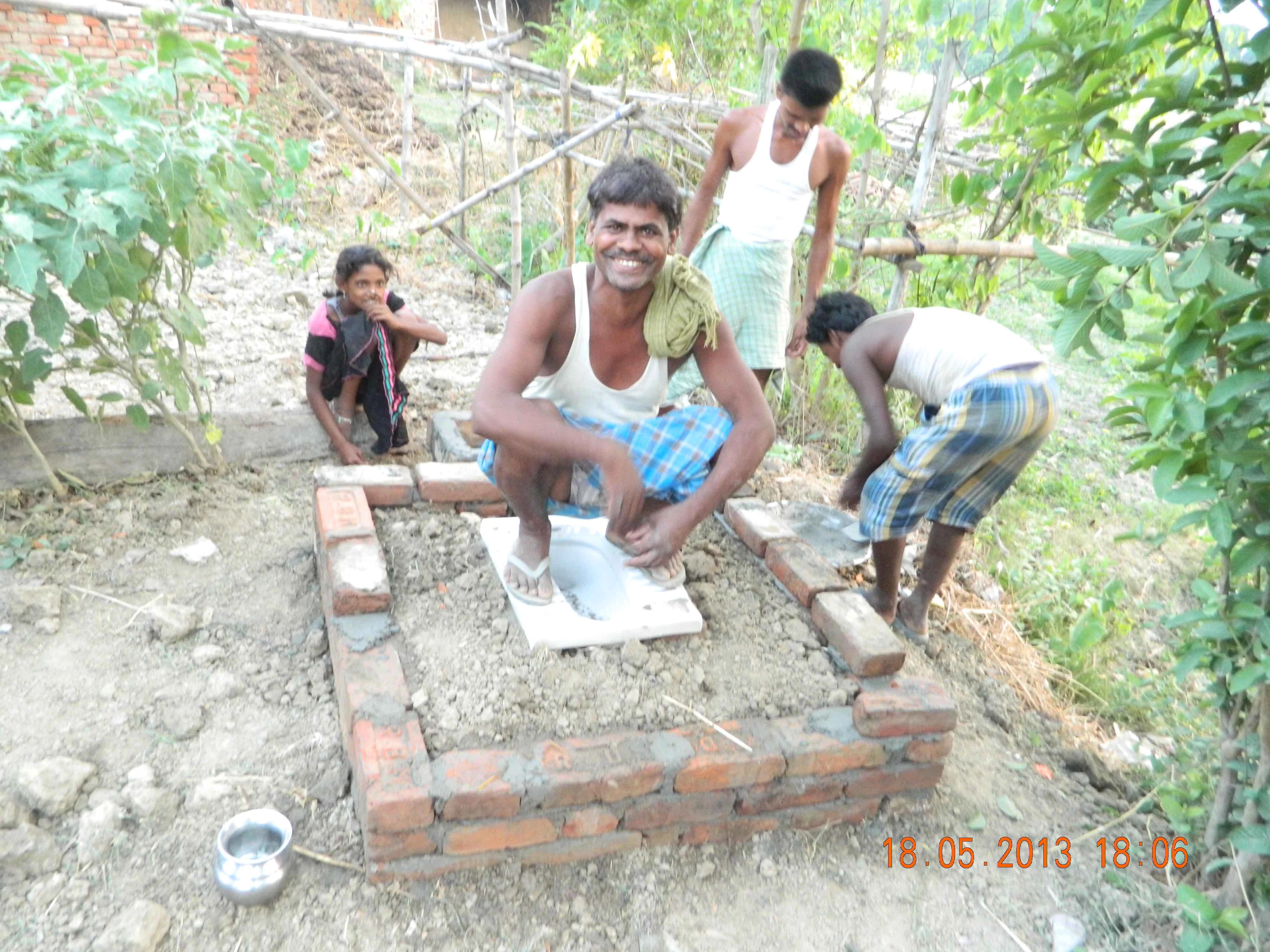
Aligning with nature for climate resilience.

Nature-based interventions such as co-composting, wetland filtration, and well recharge systems are integrated across projects. These techniques reduce emissions, replenish groundwater, and restore soil health.
By aligning waste and water systems with nature, these efforts strengthen climate resilience and reduce community carbon footprints.
Through integrated climate action initiatives, we're building resilient communities and a sustainable future for generations to come.